
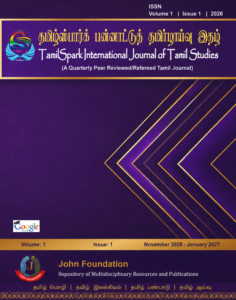
jkpo;;;];ghu;f; gd;dhl;Lj; jkpoha;T ,jo;
TamilSpark International Journal of Tamil Studies
(A Quarterly Peer Reviewed/Refereed Tamil Journal)
Submission Guidelines for Authors
TamilSpark International Journal of Tamil Studies provides a scholarly platform for academics, researchers, teachers, students, and professionals to contribute original and significant research in Tamil Studies. The Journal welcomes scholarly contributions in Tamil language, literature, linguistics, grammar, history, culture, folklore, manuscripts, epigraphy, archaeology, translation, comparative studies, performing arts, and other interdisciplinary areas related to Tamil Studies. Authors are requested to carefully read and follow the following submission guidelines before submitting their manuscripts.
1. Scope of the Journal
TamilSpark welcomes original research and scholarly contributions in areas including, but not limited to:
- Tamil Language and Linguistics
- Tamil Literature
- Sangam Literature
- Medieval and Modern Tamil Literature
- Tamil Grammar and Prosody
- Comparative Literature
- Tamil Folklore and Folk Culture
- Tamil History and Cultural Studies
- Tamil Philosophy and Religion
- Manuscript Studies and Palaeography
- Epigraphy and Archaeology
- Translation Studies
- Diaspora and Tamil Studies
- Digital Tamil and Computational Tamil Studies
- Tamil Performing Arts
- Art, Architecture, and Cultural Heritage
- Contemporary Tamil Studies
- Interdisciplinary and Comparative Studies related to Tamil
2. Types of Manuscripts
The Journal considers the following types of scholarly contributions:
- Original Research Articles
- Review Articles
- Conceptual and Theoretical Papers
- Critical and Analytical Studies
- Comparative Studies
- Translation Studies
- Manuscript and Textual Studies
- Book Reviews
- Scholarly Notes and Short Communications
3. Responsibilities of Authors
Authors are responsible for ensuring that their submitted manuscripts are original, accurate, and ethically prepared. By submitting a manuscript to Sparkling International Journal of Multidisciplinary Research Studies, authors agree to the following responsibilities:
- The manuscript must be the authors’ original work and must not have been published previously or be under consideration by another journal.
- Authors must ensure that all sources, quotations, ideas, data, figures, tables, and other materials obtained from other works are properly acknowledged and cited.
- Authors must ensure that the manuscript is free from plagiarism, fabrication, falsification, and other forms of academic misconduct.
- All authors listed on the manuscript should have made a significant contribution to the research and should have approved the final version of the manuscript.
- Authors are responsible for the accuracy and authenticity of the information, data, interpretations, findings, and references presented in the manuscript.
- Authors must obtain appropriate permission for the use of copyrighted material wherever necessary.
- Where applicable, authors must obtain the required ethical approval and informed consent for research involving human participants or other ethically sensitive materials.
- Authors must disclose any relevant conflict of interest and sources of financial support, where applicable.
- Authors should cooperate with the Editorial Board and reviewers during the review and revision process.
- Authors must notify the Editorial Board promptly if a significant error or omission is identified in their published work.
- Upon acceptance, authors may be required to submit the Journal’s Copyright Transfer / Publication Agreement and Author Declaration.
4. Originality and Ethical Requirements
- Manuscripts submitted to the Journal must be original and unpublished works.
- A manuscript should not have been published previously or be under consideration for publication elsewhere.
- Authors must ensure that their manuscripts are free from plagiarism and other forms of academic misconduct.
- All ideas, quotations, data, interpretations, translations, figures, tables, and other materials borrowed from other sources must be appropriately acknowledged and cited.
- Authors are responsible for the accuracy, originality, and authenticity of the content submitted.
- Any form of plagiarism, fabrication, falsification, duplicate publication, or unethical research practice may result in rejection of the manuscript.
- The Journal reserves the right to use appropriate plagiarism-detection procedures.
5. Language of Submission
The Journal accepts manuscripts primarily in Tamil and English. Manuscripts submitted in Tamil should use standard and academically appropriate Tamil. Manuscripts submitted in English should be written in clear, coherent, and academically appropriate English. Authors are responsible for ensuring the linguistic accuracy and academic quality of their manuscripts.
6. Manuscript Preparation
Manuscripts should be prepared using Microsoft Word and submitted in an editable document format. The recommended formatting is:
- Font: Appropriate Unicode Tamil font for Tamil manuscripts and Times New Roman for English manuscripts
- Font Size: 12 points
- Line Spacing: 1.5
- Text Alignment: Justified
- Page Size: A4
- Margins: 1 inch on all sides
- Page Numbers: Consecutive page numbering
- Length: Normally not more than 15 pages, including references, tables, and figures, unless otherwise permitted by the Editorial Board.
7. Structure of the Manuscript
A research article should normally contain:
- Title
- Author(s) Name and Affiliation
- Abstract
- Keywords
- Introduction
- Review of Literature / Previous Studies
- Objectives / Research Questions, where applicable
- Methodology, where applicable
- Analysis and Discussion
- Findings / Results, where applicable
- Conclusion
- References
- Appendices, where necessary
The structure may be modified according to the nature of the research.
8. Title
The title should be concise, specific, informative, and representative of the content of the manuscript. Unnecessary abbreviations should be avoided.
9. Author Information
The manuscript should include the following information for each author:
- Full name
- Designation
- Department and institutional affiliation
- City, State/Province, and Country
- Email address
- ORCID iD, if available
The corresponding author should be clearly identified.
10. Abstract
Each manuscript should include a concise and informative abstract of approximately 150–250 words. The abstract should briefly indicate
- background or the purpose of the study,
- methodology or approach,
- major findings, and
- conclusion or significance of the research.
For manuscripts submitted in Tamil, authors may be requested to provide an English abstract where appropriate.
11. Keywords
Authors should provide 4–6 keywords representing the major themes, concepts, subjects, or areas addressed in the manuscript. Keywords should be placed immediately below the abstract.
12. Tables, Figures, and Illustrations
- Tables and figures should be numbered consecutively and referred to in the text.
- Each table, figure, photograph, chart, or illustration should have an appropriate title or caption.
- Sources should be acknowledged wherever necessary.
- Authors are responsible for obtaining permission to reproduce copyrighted materials.
13. Citations and References
Authors should follow recognised citation, reference, quotation, and other bibliographic conventions. The latest edition of the APA Publication Manual or MLA style guide, wherever applicable to the subject area, should be used. Authors must ensure that:
- Every source cited in the text appears in the reference list.
- Every work listed in the references is cited in the manuscript.
- Bibliographic details are accurate and complete.
- Quotations are properly acknowledged.
- DOI information and other bibliographic details are verified wherever applicable.
- Primary and secondary sources are clearly distinguished where necessary.
For Tamil Studies manuscripts, authors should provide sufficient bibliographic information for Tamil books, manuscripts, inscriptions, archival sources, and other primary materials used in the research.
14. Research Ethics
Authors must follow accepted ethical standards applicable to their research. Where the research involves human participants, interviews, personal information, field studies, or other ethically sensitive materials, appropriate ethical procedures and informed consent should be followed wherever applicable. Authors should respect the privacy, dignity, cultural rights, and intellectual property of individuals and communities represented in their research.
15. Plagiarism and Duplicate Publication
TamilSpark follows a strict policy against plagiarism and duplicate publication. Authors must not:
- Submit plagiarised material;
- Submit the same manuscript simultaneously to another journal;
- Present another person’s ideas, words, translations, interpretations, or findings as their own;
- Reproduce substantial portions of previously published work without appropriate acknowledgement; or
- Fabricate or falsify research data or sources.
Submitted manuscripts may be screened using plagiarism-detection software or other appropriate procedures.
16. Peer Review Process
All submitted manuscripts will undergo an initial editorial assessment to determine their relevance, originality, academic quality, and suitability for the Journal. Manuscripts that meet the basic requirements may be sent for double-blind peer review, whereby the identities of the authors and reviewers are concealed from each other. The final decision regarding publication will be made by the Editor/Editorial Board based on the editorial assessment and peer-review recommendations.
17. Editorial Decision
The status of the manuscript, whether it is accepted for publication or rejected, will be communicated to the corresponding author after a thorough evaluation through the Journal’s double-blind peer-review process. No publication charges will be levied on authors. However, authors who wish to receive the respective printed issues of the Journal may subscribe to them by paying the applicable subscription fee.
18. Subscription
The subscription fee covers the journal issues. The Journal is published quarterly in February–April, May–July, August–October, and November–January.
Annual Subscription fee is Rs. 2000/-
Send your subscription fee to
JOHN FOUNDATION
A/C No: 6615924488
IFSC Code: IDIB000N006
Indian Bank, Branch Code: 261
Branch: Nagercoil
After transferring the subscription fee, please copy the subscription form provided below, complete it, and email it to journals@johnfoundation.com.
19. Publication Schedule
The Journal is published quarterly in February–April, May–July, August–October, and November–January. Contributors are therefore requested to submit their manuscripts at least one month before the respective publication period to allow sufficient time for editorial processing and peer review.
20. Conflict of Interest
Authors should disclose any financial, professional, personal, or other relationships that may influence or appear to influence the research or its interpretation. If there is no conflict of interest, authors may state: “The authors declare that there is no conflict of interest.”
21. Funding
Authors should disclose any financial support, grants, sponsorship, or other funding received for the research, where applicable. If the research received no external funding, authors may state: “This research received no external funding.”
22. Copyright and Author Declaration
Upon acceptance of the manuscript, authors may be required to complete and submit the Journal’s Copyright Transfer / Publication Agreement and author declaration. By submitting a manuscript, authors confirm that:
- The work is original;
- The manuscript has not been published elsewhere;
- The manuscript is not under consideration by another publication;
- All authors have approved the submitted version;
- Appropriate permissions have been obtained for copyrighted materials; and
- The information provided to the Journal is accurate.
23. Manuscript Submission
Manuscripts should be submitted electronically in Microsoft Word (.doc or .docx) format to: journals@johnfoundation.com
Authors should ensure that the manuscript is complete and conforms to the Journal’s submission requirements before submission.
24. Author Declaration
The corresponding author should confirm that:
- The manuscript is original.
- The manuscript has not been previously published.
- The manuscript is not under consideration by another journal.
- All authors have approved the submitted version.
- All sources have been appropriately acknowledged; and
- The information provided to the Journal is accurate.
The Editorial Board may request additional documents or information where necessary.
25. Editorial Rights
The Editorial Board reserves the right to:
- Reject manuscripts that do not conform to the scope or submission requirements of the Journal;
- Request revisions before or during the peer-review process;
- Make necessary editorial and language corrections without changing the scholarly meaning of the manuscript;
- Seek clarification or additional information from authors; and
- Make the final decision regarding publication.
Submission of a manuscript does not guarantee acceptance or publication.
26. Important Note
Authors are advised to retain a copy of the submitted manuscript and all correspondence with the Journal. Before submission, authors should carefully check the manuscript for accuracy, originality, language, formatting, citations, references, and compliance with the Journal’s guidelines.
Submission of a manuscript implies that the author(s) have read, understood, and agreed to the Journal’s submission, publication, and ethical requirements.
ஆசிரியர்களுக்கான சமர்ப்பிப்பு வழிகாட்டுதல்கள்
தமிழ்ஸ்பார்க் பன்னாட்டுத் தமிழாய்வு இதழ் (TamilSpark International Journal of Tamil Studies) என்பது தமிழ் ஆய்வுத் துறையில் புதிய மற்றும் குறிப்பிடத்தக்க ஆய்வுகளை வெளியிடுவதற்கான கல்வியியல் தளமாகும். கல்வியாளர்கள், ஆய்வாளர்கள், ஆசிரியர்கள், மாணவர்கள் மற்றும் தமிழ் ஆய்வில் ஈடுபடும் பிற அறிஞர்கள் தங்களது ஆய்வுப் பங்களிப்புகளை இவ்விதழில் சமர்ப்பிக்கலாம். தமிழ் மொழி, இலக்கியம், மொழியியல், இலக்கணம், வரலாறு, பண்பாடு, நாட்டுப்புறவியல், சுவடிகள், கல்வெட்டியல், தொல்லியல், மொழிபெயர்ப்பு, ஒப்பிலக்கியம், நிகழ்த்துக் கலைகள் மற்றும் தமிழ் ஆய்வுடன் தொடர்புடைய பிற பன்முகத் துறைகளிலான ஆய்வுக் கட்டுரைகள் வரவேற்கப்படுகின்றன.
ஆசிரியர்கள் தங்களது ஆய்வுக் கட்டுரைகளைச் சமர்ப்பிக்கும் முன், கீழ்க்காணும் சமர்ப்பிப்பு வழிகாட்டுதல்களை கவனமாகப் படித்து, அவற்றைப் பின்பற்றுமாறு கேட்டுக்கொள்ளப்படுகிறார்கள்.
1. இதழின் ஆய்வுப் பரப்பு
தமிழ்ஸ்பார்க் பன்னாட்டுத் தமிழாய்வு இதழ் பின்வரும் துறைகள் உள்ளிட்ட பல்வேறு தமிழ் ஆய்வுத் துறைகளில் அசல் ஆய்வுகளையும் அறிவார்ந்த பங்களிப்புகளையும் வரவேற்கிறது:
- தமிழ் மொழி மற்றும் மொழியியல்
- தமிழ் இலக்கியம்
- சங்க இலக்கியம்
- இடைக்கால மற்றும் நவீன தமிழ் இலக்கியம்
- தமிழ் இலக்கணம் மற்றும் யாப்பியல்
- ஒப்பிலக்கியம்
- தமிழ் நாட்டுப்புறவியல் மற்றும் நாட்டுப்புறப் பண்பாடு
- தமிழ் வரலாறு மற்றும் பண்பாட்டாய்வு
- தமிழ் தத்துவம் மற்றும் சமயம்
- சுவடி ஆய்வு மற்றும் தொல்லெழுத்தியல்
- கல்வெட்டியல் மற்றும் தொல்லியல்
- மொழிபெயர்ப்பியல்
- புலம்பெயர் தமிழாய்வு
- எண்ணிமத் தமிழ் மற்றும் கணினித் தமிழ் ஆய்வு
- தமிழ் நிகழ்த்துக் கலைகள்
- கலை, கட்டடக்கலை மற்றும் பண்பாட்டு மரபு
- சமகாலத் தமிழாய்வு
- தமிழ் சார்ந்த பன்முக மற்றும் ஒப்பீட்டு ஆய்வுகள்
2. ஆய்வுக் கட்டுரைகளின் வகைகள்
இதழ் பின்வரும் வகையான அறிவார்ந்த பங்களிப்புகளைப் பரிசீலிக்கிறது:
- அசல் ஆய்வுக் கட்டுரைகள்
- திறனாய்வுக் கட்டுரைகள்
- கருத்தியல் மற்றும் கோட்பாட்டு ஆய்வுகள்
- விமர்சன மற்றும் பகுப்பாய்வு ஆய்வுகள்
- ஒப்பீட்டு ஆய்வுகள்
- மொழிபெயர்ப்பு ஆய்வுகள்
- சுவடி மற்றும் மூலப்பிரதி ஆய்வுகள்
- நூல் மதிப்புரைகள்
- குறு ஆய்வுகள் மற்றும் சுருக்கமான ஆய்வுத் தகவல்கள்
3. ஆசிரியர்களின் பொறுப்புகள்
ஆசிரியர்கள் தாங்கள் சமர்ப்பிக்கும் ஆய்வுக் கட்டுரை அசல், துல்லியமான மற்றும் கல்வியியல் நெறிமுறைகளுக்கு ஏற்ப தயாரிக்கப்பட்டவை என்பதை உறுதி செய்யும் பொறுப்புடையவர்கள். தமிழ்ஸ்பார்க் பன்னாட்டுத் தமிழாய்வு இதழுக்கு ஆய்வுக் கட்டுரை பிரதியைச் சமர்ப்பிப்பதன் மூலம், ஆசிரியர்கள் பின்வரும் பொறுப்புகளை ஏற்றுக்கொள்கிறார்கள்:
- ஆய்வுக் கட்டுரை ஆசிரியர்களின் அசல் படைப்பாக இருக்க வேண்டும். அது முன்னர் வெளியிடப்பட்டதாகவோ அல்லது வேறு எந்த இதழின் பரிசீலனையில் தற்போது இருப்பதாகவோ இருக்கக் கூடாது.
- பிற படைப்புகளிலிருந்து பெறப்பட்ட அனைத்து ஆதாரங்கள், மேற்கோள்கள், கருத்துகள், தரவுகள், படங்கள், அட்டவணைகள் மற்றும் பிற தகவல்களும் முறையாக அங்கீகரிக்கப்பட்டு மேற்கோள் காட்டப்பட்டுள்ளன என்பதை ஆசிரியர்கள் உறுதி செய்ய வேண்டும்.
- ஆய்வுக் கட்டுரை பிரதியில் கருத்துத் திருட்டு (Plagiarism), தரவு உருவாக்கம் (Fabrication), தரவு/தகவல் திரித்தல் (Falsification) மற்றும் பிற கல்வியியல் முறைகேடுகள் எதுவும் இல்லை என்பதை ஆசிரியர்கள் உறுதி செய்ய வேண்டும்.
- ஆய்வுக் கட்டுரை பிரதியில் குறிப்பிடப்பட்டுள்ள அனைத்து ஆசிரியர்களும் ஆய்வில் குறிப்பிடத்தக்க பங்களிப்பை வழங்கியிருக்க வேண்டும். மேலும், அவர்கள் ஆய்வுக் கட்டுரையின் இறுதி வடிவத்திற்கு ஒப்புதல் அளித்திருக்க வேண்டும்.
- ஆய்வுக் கட்டுரையில் வழங்கப்பட்டுள்ள தகவல்கள், தரவுகள், விளக்கங்கள், ஆய்வு முடிவுகள் மற்றும் மேற்கோள்களின் துல்லியம் மற்றும் நம்பகத்தன்மைக்கு ஆசிரியர்களே பொறுப்பாவார்கள்.
- தேவையான சந்தர்ப்பங்களில், பதிப்புரிமை பெற்ற (Copyrighted) உள்ளடக்கங்களைப் பயன்படுத்துவதற்கான உரிய அனுமதியை ஆசிரியர்கள் பெற வேண்டும்.
- பொருந்தும் சந்தர்ப்பங்களில், மனிதப் பங்கேற்பாளர்களை உள்ளடக்கிய ஆய்வுகள் அல்லது பிற நெறிமுறை சார்ந்த உணர்வுபூர்வமான ஆய்வுப் பொருட்களுக்கு தேவையான நெறிமுறை ஒப்புதல் (Ethical Approval) மற்றும் தகவலறிந்த ஒப்புதல் (Informed Consent) ஆகியவற்றை ஆசிரியர்கள் பெற வேண்டும்.
- பொருந்தும் சந்தர்ப்பங்களில், தொடர்புடைய நலன் முரண்பாடுகள் (Conflict of Interest) மற்றும் நிதி ஆதாரங்கள் (Sources of Financial Support) குறித்து ஆசிரியர்கள் வெளிப்படையாகத் தெரிவிக்க வேண்டும்.
- ஆய்வுக் கட்டுரையின் மதிப்பாய்வு மற்றும் திருத்தச் செயல்முறையின் போது ஆசிரியர் குழு மற்றும் மதிப்பாய்வாளர்களுடன் ஆசிரியர்கள் ஒத்துழைக்க வேண்டும்.
- வெளியிடப்பட்ட தங்களது படைப்பில் முக்கியமான பிழை அல்லது விடுபட்ட தகவல் இருப்பது கண்டறியப்பட்டால், ஆசிரியர்கள் உடனடியாக ஆசிரியர் குழுவிற்கு அறிவிக்க வேண்டும்.
- ஆய்வுக் கட்டுரை ஏற்றுக்கொள்ளப்பட்ட பின்னர், இதழின் பதிப்புரிமை மாற்றம் / வெளியீட்டு ஒப்பந்தம் (Copyright Transfer / Publication Agreement) மற்றும் ஆசிரியர் உறுதிமொழி (Author Declaration) ஆகியவற்றைச் சமர்ப்பிக்க ஆசிரியர்களிடம் கோரப்படலாம்.
4. ஆய்வின் அசல் தன்மை மற்றும் அறநெறித் தேவைகள்
- இதழுக்குச் சமர்ப்பிக்கப்படும் ஆய்வுக் கட்டுரைகள் ஆசிரியர்களின் அசல் மற்றும் இதுவரை வெளியிடப்படாத படைப்புகளாக இருக்க வேண்டும்.
- ஏற்கனவே வேறு இதழ், நூல், மாநாட்டு ஆய்வுத் தொகுப்பு அல்லது பிற வெளியீடுகளில் வெளியிடப்பட்ட கட்டுரைகள் சமர்ப்பிக்கப்படக்கூடாது.
- சமர்ப்பிக்கப்படும் கட்டுரை வேறு எந்த இதழிலும் ஒரே நேரத்தில் பரிசீலனையில் இருக்கக்கூடாது.
- ஆய்வுக் கட்டுரை காப்பியடித்தல் (Plagiarism) மற்றும் பிற கல்வியியல் முறைகேடுகளிலிருந்து முற்றிலும் விடுபட்டதாக இருக்க வேண்டும்.
- பிற ஆய்வாளர்களின் கருத்துகள், மேற்கோள்கள், தரவுகள், விளக்கங்கள், மொழிபெயர்ப்புகள், படங்கள், அட்டவணைகள் மற்றும் பிற ஆதாரங்கள் முறையாக மேற்கோள் காட்டப்பட்டு, உரிய முறையில் குறிப்பிடப்பட வேண்டும்.
- சமர்ப்பிக்கப்படும் ஆய்வின் துல்லியம், அசல் தன்மை மற்றும் நம்பகத்தன்மைக்கு ஆசிரியர்களே பொறுப்பாவார்கள்.
- காப்பியடித்தல், தரவுகளை உருவாக்குதல், தரவுகளைத் திரித்தல், இரட்டை வெளியீடு மற்றும் பிற கல்வியியல் முறைகேடுகள் கண்டறியப்பட்டால், கட்டுரை நிராகரிக்கப்படலாம்.
- சமர்ப்பிக்கப்படும் ஆய்வுக் கட்டுரைகளின் அசல் தன்மையைச் சரிபார்க்க இதழ் பொருத்தமான காப்பியடித்தல் கண்டறியும் நடைமுறைகளைப் பயன்படுத்தும் உரிமையைப் பெற்றுள்ளது.
5. கட்டுரை சமர்ப்பிக்கும் மொழி
இதழ் தமிழ் மற்றும் ஆங்கில மொழிகளில் ஆய்வுக் கட்டுரைகளை ஏற்றுக்கொள்கிறது. தமிழில் சமர்ப்பிக்கப்படும் கட்டுரைகள் தரமான, தெளிவான மற்றும் கல்வியியல் நடைமுறைக்கு ஏற்ற தமிழில் அமைந்திருக்க வேண்டும். ஆங்கிலத்தில் சமர்ப்பிக்கப்படும் கட்டுரைகள் தெளிவான, ஒழுங்கான மற்றும் கல்வியியல் தரத்திற்கேற்ற ஆங்கிலத்தில் எழுதப்பட்டிருக்க வேண்டும். ஆய்வுக் கட்டுரையின் மொழித் துல்லியம் மற்றும் கல்வியியல் தரத்திற்கு ஆசிரியர்களே பொறுப்பாவார்கள்.
6. ஆய்வுக் கட்டுரை தயாரிப்பு
ஆய்வுக் கட்டுரைகள் Microsoft Word மென்பொருளைப் பயன்படுத்தி தயாரிக்கப்பட்டு, திருத்தக்கூடிய மின்னணு ஆவண வடிவில் சமர்ப்பிக்கப்பட வேண்டும். பரிந்துரைக்கப்படும் வடிவமைப்பு:
- எழுத்துரு: தமிழ்க் கட்டுரைகளுக்கு பொருத்தமான Unicode தமிழ் எழுத்துரு; ஆங்கிலக் கட்டுரைகளுக்கு Times New Roman
- எழுத்தளவு: 12 புள்ளி
- வரி இடைவெளி: 1.5
- உரை அமைப்பு: இருபுறமும் சமமாக அமைத்தல் (Justified)
- பக்க அளவு: A4
- ஓர இடைவெளி: அனைத்து பக்கங்களிலும் 1 அங்குலம்
- பக்க எண்கள்: தொடர்ச்சியான பக்க எண்கள்
- கட்டுரை நீளம்: பொதுவாக மேற்கோள்கள், அட்டவணைகள் மற்றும் படங்கள் உட்பட 15 பக்கங்களுக்கு மிகாமல் இருக்க வேண்டும். தேவையான சூழலில் ஆசிரியர் குழுவின் அனுமதியுடன் நீளமான கட்டுரைகள் பரிசீலிக்கப்படலாம்.
7. ஆய்வுக் கட்டுரையின் அமைப்பு
ஒரு ஆய்வுக் கட்டுரை பொதுவாக பின்வரும் பகுதிகளைக் கொண்டிருக்க வேண்டும்:
- தலைப்பு
- ஆசிரியர்(கள்) பெயர் , மற்றும் நிறுவன இணைப்பு
- சுருக்கம்
- முக்கியச் சொற்கள்
- அறிமுகம்
- முந்தைய ஆய்வுகள் / இலக்கிய மதிப்பாய்வு
- ஆய்வின் நோக்கங்கள் / ஆய்வுக் கேள்விகள், தேவையான இடங்களில்
- ஆய்வு முறை, தேவையான இடங்களில்
- ஆய்வு பகுப்பாய்வு மற்றும் விவாதம்
- ஆய்வின் முடிவுகள் / கண்டறிதல்கள், தேவையான இடங்களில்
- முடிவுரை
- மேற்கோள் நூற்பட்டியல்
- பிற்சேர்க்கைகள், தேவையான இடங்களில்
ஆய்வின் தன்மை மற்றும் ஆய்வு முறைக்கு ஏற்ப மேற்கண்ட அமைப்பில் தேவையான மாற்றங்களைச் செய்யலாம்.
8. ஆய்வுக் கட்டுரையின் தலைப்பு
ஆய்வுக் கட்டுரையின் தலைப்பு சுருக்கமாகவும், தெளிவாகவும், குறிப்பிட்டதாகவும், கட்டுரையின் உள்ளடக்கத்தைப் பிரதிபலிப்பதாகவும் இருக்க வேண்டும். தேவையற்ற சுருக்கெழுத்துகள் மற்றும் மிக நீளமான தலைப்புகளைத் தவிர்க்க வேண்டும்.
9. ஆசிரியர் தகவல்கள்
ஒவ்வொரு ஆசிரியருக்கும் பின்வரும் தகவல்கள் கட்டுரையில் தெளிவாக வழங்கப்பட வேண்டும்:
- முழுப் பெயர்
- பதவி
- துறை மற்றும் நிறுவனத்தின் பெயர்
- நகரம், மாநிலம் மற்றும் நாடு
- மின்னஞ்சல் முகவரி
- ORCID iD, இருந்தால்
தொடர்பு ஆசிரியர் (Corresponding Author) தெளிவாகக் குறிப்பிடப்பட வேண்டும்.
10. சுருக்கம்
ஒவ்வொரு ஆய்வுக் கட்டுரையுடனும் பொதுவாக 150–250 சொற்களைக் கொண்ட சுருக்கம் இடம்பெற வேண்டும். சுருக்கம் பின்வருவனவற்றைச் சுருக்கமாகக் குறிப்பிட வேண்டும்:
- ஆய்வின் பின்னணி அல்லது நோக்கம்
- ஆய்வு முறை அல்லது அணுகுமுறை
- முக்கியக் கண்டறிதல்கள்
- ஆய்வின் முடிவு அல்லது முக்கியத்துவம்
சுருக்கத்தில் பொதுவாக மேற்கோள்கள் மற்றும் தேவையற்ற சுருக்கெழுத்துகளைத் தவிர்க்க வேண்டும்.
தமிழில் சமர்ப்பிக்கப்படும் கட்டுரைகளுக்கு, தேவையான சூழலில் ஆங்கிலச் சுருக்கத்தையும் வழங்குமாறு ஆசிரியர்களிடம் கோரப்படலாம்.
11. முக்கியச் சொற்கள்
ஆய்வுக் கட்டுரையின் முக்கியக் கருத்துகள், கருப்பொருள்கள், பாடப்பொருள்கள் அல்லது ஆய்வுப் பகுதிகளைப் பிரதிபலிக்கும் 4–6 முக்கியச் சொற்கள் வழங்கப்பட வேண்டும். முக்கியச் சொற்கள் சுருக்கத்தின் கீழ் இடம்பெற வேண்டும்.
12. அட்டவணைகள், படங்கள் மற்றும் விளக்கப்படங்கள்
- அட்டவணைகள் மற்றும் படங்கள் கட்டுரையில் தொடர்ச்சியாக எண்களிடப்பட்டு, உரையில் குறிப்பிடப்பட வேண்டும்.
- ஒவ்வொரு அட்டவணை, படம், புகைப்படம், விளக்கப்படம் அல்லது வரைபடத்திற்கும் பொருத்தமான தலைப்பு அல்லது விளக்கம் வழங்கப்பட வேண்டும்.
- தேவையான இடங்களில் அவற்றின் ஆதாரம் குறிப்பிடப்பட வேண்டும்.
- பதிப்புரிமை பெற்ற அட்டவணைகள், படங்கள், புகைப்படங்கள் அல்லது பிற உள்ளடக்கங்களைப் பயன்படுத்துவதற்குத் தேவையான அனுமதியைப் பெறுவது ஆசிரியர்களின் பொறுப்பாகும்.
13. மேற்கோள்கள் மற்றும் நூற்பட்டியல்
ஆசிரியர்கள் அங்கீகரிக்கப்பட்ட மேற்கோள்கள், குறிப்புகள், நேரடி மேற்கோள்கள் மற்றும் பிற நூற்பட்டியல் தொடர்பான நடைமுறைகளை பின்பற்ற வேண்டும். பாடப்பிரிவுக்கு ஏற்ப பொருந்தக்கூடிய APA அல்லது MLA மேற்கோள் நடைமுறையின் சமீபத்திய பதிப்பை பயன்படுத்த வேண்டும். ஆசிரியர்கள் பின்வருவனவற்றை உறுதி செய்ய வேண்டும்:
- கட்டுரையில் மேற்கோள் காட்டப்பட்ட ஒவ்வொரு ஆதாரமும் நூற்பட்டியலில் இடம்பெற வேண்டும்.
- நூற்பட்டியலில் இடம்பெறும் ஒவ்வொரு ஆதாரமும் கட்டுரையில் மேற்கோள் காட்டப்பட்டிருக்க வேண்டும்.
- நூலியல் விவரங்கள் துல்லியமாகவும் முழுமையாகவும் இருக்க வேண்டும்.
- நேரடி மேற்கோள்கள் உரிய முறையில் குறிப்பிடப்பட வேண்டும்.
- பொருந்தும் இடங்களில், DOI தகவல்கள் மற்றும் பிற நூற்பட்டியல் விவரங்கள் முறையாகச் சரிபார்க்கப்பட்டுள்ளன.
- தேவையான இடங்களில் முதன்மை ஆதாரங்களும் இரண்டாம் நிலை ஆதாரங்களும் தெளிவாக வேறுபடுத்திக் குறிப்பிடப்பட வேண்டும்.
தமிழாய்வுக் கட்டுரைகளில் பயன்படுத்தப்படும் தமிழ் நூல்கள், சுவடிகள், கல்வெட்டுகள், ஆவணக் காப்பக ஆதாரங்கள் மற்றும் பிற முதன்மை ஆதாரங்களுக்கு போதுமான நூலியல் விவரங்கள் வழங்கப்பட வேண்டும்.
14. ஆய்வு அறநெறி
ஆசிரியர்கள் தங்களது ஆய்வுத் துறைக்குப் பொருந்தக்கூடிய ஏற்றுக்கொள்ளப்பட்ட ஆய்வு அறநெறிகளைப் பின்பற்ற வேண்டும். மனிதர்களை உள்ளடக்கிய ஆய்வுகள், நேர்காணல்கள், தனிப்பட்ட தகவல்கள், கள ஆய்வுகள் அல்லது பிற அறநெறி சார்ந்த தகவல்கள் பயன்படுத்தப்படும் நிலையில், பொருந்தும் இடங்களில் உரிய அறநெறி நடைமுறைகளும் முன் ஒப்புதலும் பெறப்பட வேண்டும். ஆய்வில் பங்கேற்பவர்களின் தனியுரிமை, கண்ணியம், பண்பாட்டு உரிமைகள் மற்றும் அறிவுசார் சொத்துரிமை ஆகியவற்றை ஆசிரியர்கள் மதிக்க வேண்டும்.
15. காப்பியடித்தல் மற்றும் இரட்டை வெளியீடு
தமிழ்ஸ்பார்க் பன்னாட்டுத் தமிழாய்வு இதழ் காப்பியடித்தல் மற்றும் இரட்டை வெளியீட்டிற்கு எதிரான கடுமையான கொள்கையைப் பின்பற்றுகிறது. ஆசிரியர்கள் பின்வருவனவற்றைச் செய்யக்கூடாது:
- பிறருடைய படைப்புகளைத் தங்களுடையதாகக் காட்டுதல்;
- ஒரே ஆய்வுக் கட்டுரையை ஒரே நேரத்தில் ஒன்றுக்கும் மேற்பட்ட இதழ்களுக்கு சமர்ப்பித்தல்;
- பிறரின் கருத்துகள், சொற்கள், மொழிபெயர்ப்புகள், விளக்கங்கள் அல்லது கண்டறிதல்களை உரிய மேற்கோளின்றி பயன்படுத்துதல்;
- ஏற்கனவே வெளியிடப்பட்ட தங்களது ஆய்வின் குறிப்பிடத்தக்க பகுதிகளை உரிய மேற்கோளின்றி மீண்டும் பயன்படுத்துதல்;
- ஆய்வுத் தரவுகள் அல்லது ஆதாரங்களை உருவாக்குதல் அல்லது திரித்தல்.
சமர்ப்பிக்கப்படும் ஆய்வுக் கட்டுரைகள் காப்பியடித்தல் கண்டறியும் மென்பொருள் அல்லது பிற பொருத்தமான நடைமுறைகள் மூலம் பரிசோதிக்கப்படலாம்.
16. சக மதிப்பாய்வு நடைமுறை
சமர்ப்பிக்கப்படும் அனைத்து ஆய்வுக் கட்டுரைகளும் முதலில் ஆசிரியர் குழுவினரால் மதிப்பாய்வு செய்யப்பட்டு, அவற்றின் பொருத்தம், அசல் தன்மை, கல்வியியல் தரம் மற்றும் இதழின் நோக்கத்திற்கேற்ப அமைந்துள்ளதா என்பது பரிசீலிக்கப்படும். ஆரம்ப மதிப்பீட்டில் தகுதியுடையதாகக் கருதப்படும் கட்டுரைகள் இரட்டை மறைநிலை சக மதிப்பாய்வுக்கு (Double-Blind Peer Review) அனுப்பப்படலாம். இம்முறையில் ஆசிரியர் மற்றும் மதிப்பாய்வாளரின் அடையாளங்கள் ஒருவருக்கொருவர் வெளிப்படுத்தப்படமாட்டாது. ஆய்வுக் கட்டுரையை வெளியிடுவதற்கான இறுதி முடிவு ஆசிரியர் / ஆசிரியர் குழுவால், ஆசிரியர் மதிப்பீடு மற்றும் சக மதிப்பாய்வாளர்களின் பரிந்துரைகளின் அடிப்படையில் எடுக்கப்படும்.
17. ஆசிரியர் குழுவின் முடிவு
ஆய்வுக் கட்டுரை ஏற்றுக்கொள்ளப்பட்டதா அல்லது நிராகரிக்கப்பட்டதா என்பது தொடர்பான தகவல், இதழின் இரட்டை மறைநிலை சக மதிப்பாய்வு நடைமுறையின் மூலம் முழுமையாகப் பரிசீலிக்கப்பட்ட பின்னர் தொடர்பு ஆசிரியருக்கு தெரிவிக்கப்படும். ஆசிரியர்களிடமிருந்து வெளியீட்டுக் கட்டணம் வசூலிக்கப்படாது. இருப்பினும், இதழின் அச்சுப் பிரதிகளைப் பெற விரும்பும் ஆசிரியர்கள், பொருந்தக்கூடிய சந்தாக் கட்டணத்தைச் செலுத்தி அவற்றைப் பெறலாம்.
18. சந்தா
சந்தாக் கட்டணம் இதழ் பிரதிக்கான கட்டணத்தை உள்ளடக்கியது. இதழ் காலாண்டுதோறும் பிப்ரவரி–ஏப்ரல், மே–ஜூலை, ஆகஸ்ட்–அக்டோபர் மற்றும் நவம்பர்–ஜனவரி ஆகிய காலப்பகுதிகளில் வெளியிடப்படுகிறது.
Annual Subscription fee is Rs. 2000/-
Send your subscription fee to
JOHN FOUNDATION
A/C No: 6615924488
IFSC Code: IDIB000N006
Indian Bank, Branch Code: 261
Branch: Nagercoil
சந்தாக் கட்டணத்தைச் செலுத்திய பின்னர், கீழே வழங்கப்பட்டுள்ள சந்தா படிவத்தை நகலெடுத்து, அதனைப் பூர்த்தி செய்து journals@johnfoundation.com என்ற மின்னஞ்சல் முகவரிக்கு அனுப்புமாறு கேட்டுக்கொள்ளப்படுகிறது.
19. வெளியீட்டு கால அட்டவணை
இதழ் காலாண்டுதோறும் பிப்ரவரி–ஏப்ரல், மே–ஜூலை, ஆகஸ்ட்–அக்டோபர் மற்றும் நவம்பர்–ஜனவரி ஆகிய காலப்பகுதிகளில் வெளியிடப்படுகிறது. எனவே, ஆசிரியர்கள் தங்களது ஆய்வுக் கட்டுரைகளைத் தகுந்த ஆசிரியர் செயல்முறை மற்றும் சக மதிப்பாய்விற்கு போதிய கால அவகாசம் கிடைக்கும் வகையில், அந்தந்த வெளியீட்டுக் காலத்திற்கு குறைந்தது ஒரு மாதத்திற்கு முன்பாக சமர்ப்பிக்குமாறு கேட்டுக்கொள்ளப்படுகிறார்கள்.
20. நலன் முரண்பாடு
ஆய்வின் முடிவுகள் அல்லது விளக்கங்களைப் பாதிக்கக்கூடிய அல்லது அவ்வாறு கருதப்படக்கூடிய நிதி, தொழில்முறை, தனிப்பட்ட அல்லது பிற உறவுகள் ஏதேனும் இருந்தால், ஆசிரியர்கள் அவற்றை வெளிப்படுத்த வேண்டும். நலன் முரண்பாடு எதுவும் இல்லையெனில், பின்வரும் அறிக்கையைப் பயன்படுத்தலாம்: “ஆசிரியர்களுக்கு நலன் முரண்பாடு எதுவும் இல்லை.”
21. நிதியுதவி
ஆய்விற்கு வழங்கப்பட்ட நிதியுதவி, ஆய்வு மானியம், ஆதரவு அல்லது பிற நிதி உதவிகள் ஏதேனும் இருந்தால், ஆசிரியர்கள் அவற்றை உரிய முறையில் குறிப்பிட வேண்டும். வெளிப்புற நிதியுதவி எதுவும் பெறப்படவில்லை எனில், பின்வரும் அறிக்கையைப் பயன்படுத்தலாம்: “இந்த ஆய்விற்கு வெளிப்புற நிதியுதவி எதுவும் பெறப்படவில்லை.”
22. பதிப்புரிமை மற்றும் ஆசிரியர் உறுதிமொழி
ஆய்வுக் கட்டுரை ஏற்றுக்கொள்ளப்பட்ட பின்னர், இதழின் பதிப்புரிமை மாற்றம் / வெளியீட்டு ஒப்பந்தம் (Copyright Transfer / Publication Agreement) மற்றும் ஆசிரியர் உறுதிமொழிப் படிவத்தைச் சமர்ப்பிக்க ஆசிரியர்கள் கேட்டுக்கொள்ளப்படலாம். ஆய்வுக் கட்டுரையைச் சமர்ப்பிப்பதன் மூலம் ஆசிரியர்கள் பின்வருவனவற்றை உறுதிப்படுத்துகின்றனர்:
- ஆய்வு அசல் படைப்பாகும்;
- கட்டுரை வேறு எங்கும் வெளியிடப்படவில்லை;
- கட்டுரை வேறு எந்த வெளியீட்டிற்காகவும் பரிசீலனையில் இல்லை;
- அனைத்து ஆசிரியர்களும் சமர்ப்பிக்கப்பட்ட இறுதி வடிவத்திற்கு ஒப்புதல் அளித்துள்ளனர்;
- பதிப்புரிமை பெற்ற பொருட்களைப் பயன்படுத்துவதற்குத் தேவையான அனுமதிகள் பெறப்பட்டுள்ளன; மற்றும்
- இதழுக்கு வழங்கப்பட்ட தகவல்கள் துல்லியமானவை.
23. ஆய்வுக் கட்டுரை சமர்ப்பித்தல்
ஆய்வுக் கட்டுரைகள் Microsoft Word (.doc அல்லது .docx) வடிவில் மின்னணு முறையில் சமர்ப்பிக்கப்பட வேண்டும். ஆய்வுக் கட்டுரைகளைப் பின்வரும் மின்னஞ்சல் முகவரிக்கு அனுப்பலாம்: journals@johnfoundation.com
ஆசிரியர்கள் தங்களது ஆய்வுக் கட்டுரையைச் சமர்ப்பிக்கும் முன், அது முழுமையாகவும் இதழின் அனைத்து சமர்ப்பிப்பு வழிகாட்டுதல்களுக்கும் இணங்கியும் இருப்பதை உறுதிசெய்ய வேண்டும்.
24. ஆசிரியர் உறுதிமொழி
தொடர்பு ஆசிரியர் பின்வருவனவற்றை உறுதிப்படுத்த வேண்டும்:
- ஆய்வுக் கட்டுரை அசல் படைப்பாகும்;
- கட்டுரை முன்னர் வெளியிடப்படவில்லை;
- கட்டுரை வேறு எந்த வெளியீட்டிலும் பரிசீலனையில் இல்லை;
- அனைத்து ஆசிரியர்களும் சமர்ப்பிக்கப்பட்ட கட்டுரைக்கு ஒப்புதல் அளித்துள்ளனர்;
- அனைத்து ஆதாரங்களும் உரிய முறையில் குறிப்பிடப்பட்டுள்ளன; மற்றும்
- இதழுக்கு வழங்கப்பட்ட தகவல்கள் துல்லியமானவை.
தேவையான சூழலில் ஆசிரியர் குழு கூடுதல் ஆவணங்கள் அல்லது தகவல்களைக் கோரலாம்.
25. ஆசிரியர் குழுவின் உரிமைகள்
ஆசிரியர் குழு பின்வரும் உரிமைகளைப் பெற்றுள்ளது:
- இதழின் ஆய்வுப் பரப்பு அல்லது சமர்ப்பிப்பு வழிகாட்டுதல்களுக்கு இணங்காத ஆய்வுக் கட்டுரைகளை நிராகரித்தல்;
- சக மதிப்பாய்வு நடைமுறைக்கு முன்னரோ அல்லது அதன் போதோ திருத்தங்களைக் கோருதல்;
- ஆய்வின் கல்வியியல் பொருளை மாற்றாமல் தேவையான மொழி மற்றும் பதிப்பாசிரியர் திருத்தங்களை மேற்கொள்ளுதல்;
- ஆசிரியர்களிடமிருந்து விளக்கங்கள் அல்லது கூடுதல் தகவல்களைக் கோருதல்; மற்றும்
- ஆய்வுக் கட்டுரையை வெளியிடுவது தொடர்பான இறுதி முடிவை மேற்கொள்ளுதல்.
ஆய்வுக் கட்டுரையைச் சமர்ப்பிப்பது அதன் ஏற்றுக்கொள்ளலையோ வெளியீட்டையோ உறுதி செய்யாது.
26. முக்கியக் குறிப்பு
ஆசிரியர்கள் தாங்கள் சமர்ப்பித்த ஆய்வுக் கட்டுரையின் ஒரு பிரதியையும் இதழுடன் மேற்கொள்ளப்படும் அனைத்து தொடர்புகளையும் பாதுகாத்து வைத்திருக்குமாறு அறிவுறுத்தப்படுகிறார்கள். ஆய்வுக் கட்டுரையைச் சமர்ப்பிக்கும் முன், அதன் துல்லியம், அசல் தன்மை, மொழிநடை, வடிவமைப்பு, மேற்கோள்கள், நூற்பட்டியல் மற்றும் இதழின் சமர்ப்பிப்பு வழிகாட்டுதல்களுடன் இணக்கம் ஆகியவற்றை ஆசிரியர்கள் கவனமாகச் சரிபார்க்க வேண்டும்.
ஆய்வுக் கட்டுரையைச் சமர்ப்பிப்பதன் மூலம், ஆசிரியர்கள் இதழின் சமர்ப்பிப்பு, வெளியீடு மற்றும் ஆய்வு அறநெறித் தேவைகளைப் படித்து, புரிந்துகொண்டு, அவற்றிற்கு ஒப்புதல் அளித்துள்ளதாகக் கருதப்படும்.